
How to Get Around in the Azores
Everything that we learned about getting around in the Azores during our visits to the Atlantic archipelago.
· by Krisztofer & Dávid · 3 min read

The Azores are not one island, but nine. And while that sounds like a small detail, it becomes quite important once you start planning your trip.
The first thing to know is that getting around the islands themselves is relatively easy — provided you have a car. The public bus network exists, but buses tend to run rather infrequently and mainly serve local needs. If you want to explore independently, renting a car is therefore by far the most practical option. In fact, with the exception of tiny Corvo, where a car is hardly necessary, we would consider a car essential on every island if you want to discover it at your own pace.
And driving in the Azores is not as intimidating as it might sound. The roads are generally well maintained, although every now and then you will find yourself on something narrow, steep and wonderfully winding.
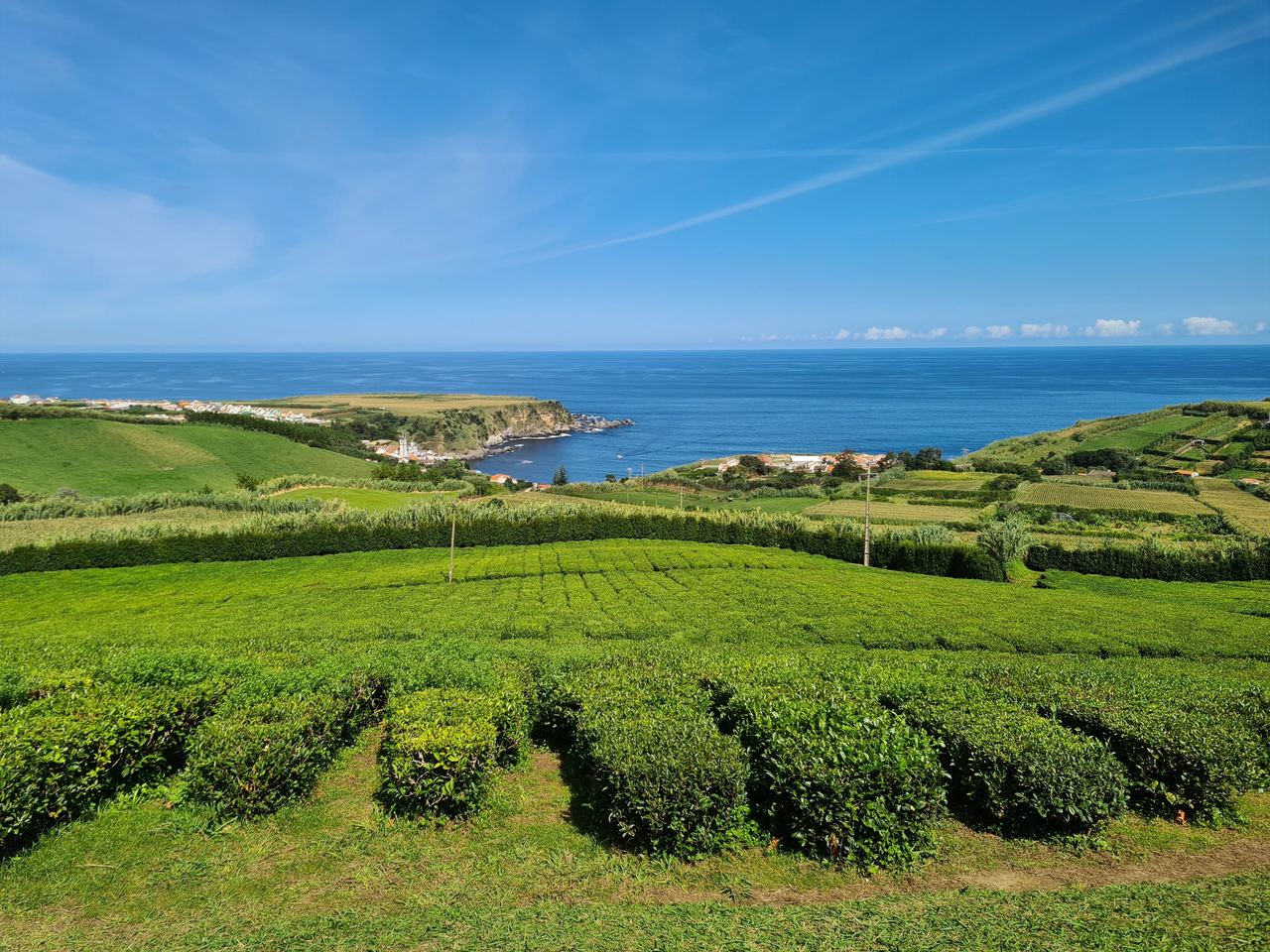
On São Miguel, we quickly got used to driving from one viewpoint to another, through incredibly green landscapes and along roads where the Atlantic was never far away.
One small piece of advice from our own experience: look beyond the big international rental companies. Local, family-run businesses can often be cheaper, although the smaller cars available from them tend to disappear quickly. Prices also change considerably depending on the season.
But what if you want to visit more than one island?
This is where things get a little more interesting.
The islands are connected by both flights and ferries. The local airline provides relatively frequent and fast connections between the islands, while ferries operate mainly within individual island groups. For example, São Miguel and Santa Maria are connected by boat, while Pico and Faial are only about 30 minutes apart by ferry.
We used both forms of transport on our trip. Our ten-day itinerary included four full days on São Miguel, three on Flores and a full day travelling between the two islands by boat. It sounds simple enough on paper — until the Atlantic Ocean reminds you who's actually in charge.
Flights between the islands can be particularly sensitive to the weather. On our itinerary, we were advised to take the morning flight to Flores because delays and cancellations are not uncommon when conditions are unfavourable. The weather can be perfectly pleasant on São Miguel while strong winds on Flores make it impossible for the smaller aircraft to land safely.
The same consideration applies when leaving the Azores altogether. If your trip ends on a different island from the one you arrived on, it is worth leaving some breathing room in your schedule. We would not plan a tight connection immediately before an international flight — the islands are beautiful, but they don't seem particularly interested in our carefully constructed timetables.
So, our formula would be quite simple: rent a car on each island you want to explore, use flights when you need to cover longer distances, and take the ferry when the islands are close enough for it to make sense.
And most importantly, leave a little room for the Atlantic to have its say.

More from Azores
Azores · Portugal
10 Days in the Azores: Our First-Time Itinerary
Ten days may sound like plenty of time for a small group of islands, but the Azores are not exactly around the corner. This is our day to day itinerary for first-timers.
26 August 2026

Azores · Portugal
Why We Fell in Love with the Azores
Nine volcanic islands in the middle of the Atlantic Ocean, far from the Portuguese mainland, covered in lush greenery and surrounded by the open sea. It sounded almost too good to be true.
26 August 2026