One Week of Camping Hopping Around Corsica
Corsica combines deep green landscapes, turquoise beaches, rocky coastlines and surprisingly high mountains, making it a particularly interesting destination for a road trip.
· by Krisztofer & Dávid · 7 min read
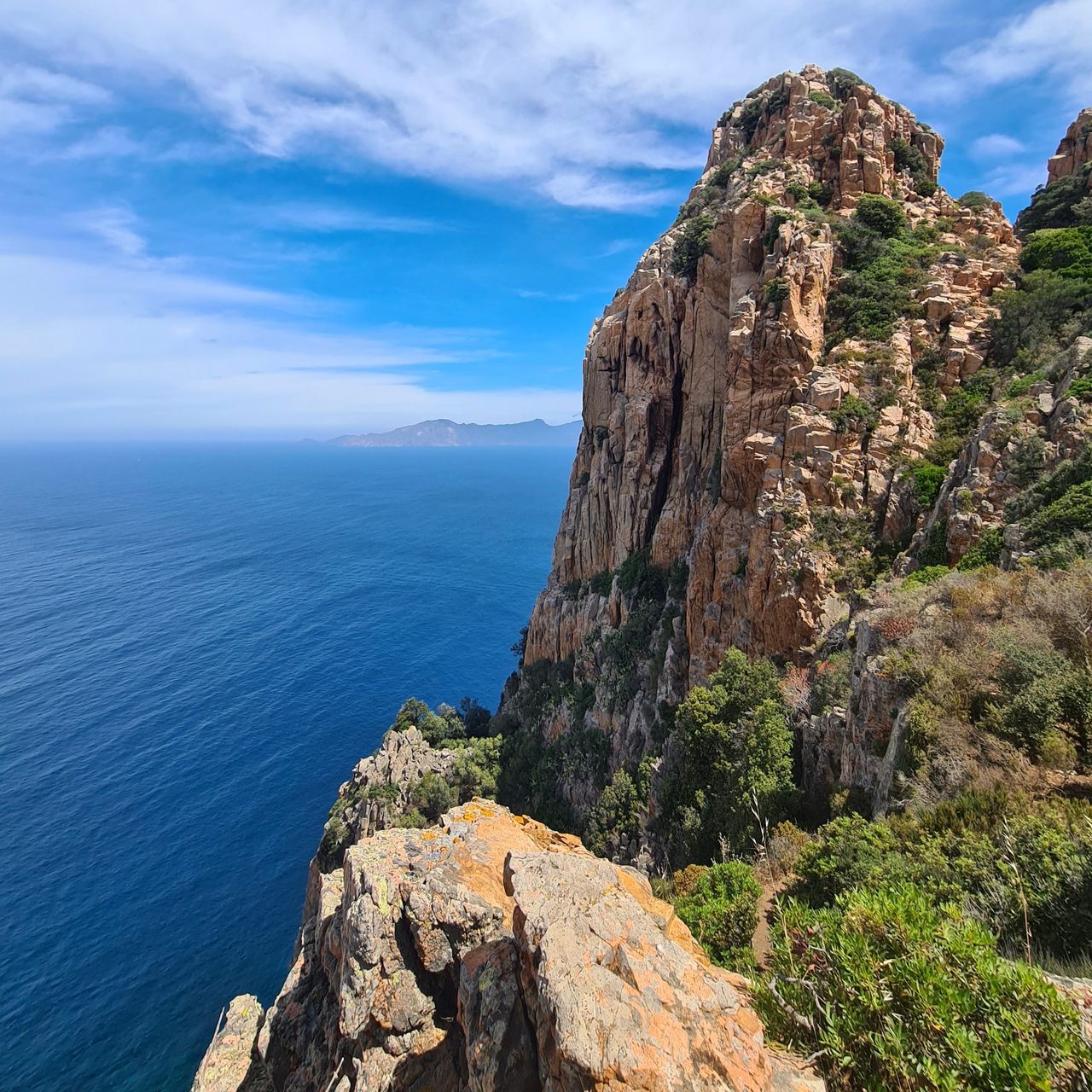
Corsica is essentially a mountain rising from the Mediterranean, with Italy less than 100 kilometres away. The island combines deep green landscapes, turquoise beaches, rocky coastlines and surprisingly high mountains, making it a particularly interesting destination for a road trip.
One thing to keep in mind, however, is that Corsica is not a cheap place to travel. Since many products have to be imported and the island mainly caters to wealthier visitors, prices are generally higher than in Italy. This was one of the reasons why we chose camping for our trip. Campsites are considerably cheaper than hotels or private accommodation, and with a tent, a comfortable mattress and a sleeping bag, you already have everything you need for a basic camping experience. Of course, it helps if sleeping in a tent is not completely new to you.
We travelled around the island by car and moved on to a different campsite almost every night. This gave us the flexibility to cover quite a lot of ground while keeping accommodation costs down. The same itinerary can, of course, be done with traditional accommodation as well.
Day 1: Bastia to Porto-Vecchio
We arrived in Bastia by ferry from Livorno with our own car. The crossing takes about four and a half hours, so a cabin can be a good idea if you want to get some rest. If there is no convenient flight to Corsica, another option is to fly to Pisa and take the ferry from there.
If time allows, start with a short walk around Bastia and its Citadelle, then head south towards Porto-Vecchio. The drive takes around two and a half hours, and there are plenty of campsites along the coast around the town, making this a good place to spend the first two nights.
Day 2: Bonifacio and the Southern Beaches
Start the day in Bonifacio, one of the most spectacular towns on the island. Built on a peninsula high above the sea, its old town sits dramatically on top of the cliffs. From the harbour, walk or take the little train up to the old town, but first head in the opposite direction along the path on top of the cliffs for a beautiful views.
Don’t miss the narrow street of the old town.
Make a stop at Plage de Canetto, a secluded sandy beach squeezed between two large white cliffs. The rough road down is not the easiest, but the peaceful atmosphere makes it worthwhile.
Continue to Plage de Palombaggia, a long but relatively narrow sandy beach that is easy to reach by car. There is even a beach bar here, although, as is often the case on Corsica, you should not expect showers or proper facilities.
Day 3: Sartène and Ajaccio
Start the morning with breakfast at Boulangerie Pâtisserie Paul Mallaroni near Porto-Vecchio, where a croissant or a pain au chocolat makes a good start to the day. Then drive towards Le Lion de Roccapina, a viewpoint where the rocky coastline takes on the shape of a sitting lion.
Continue to Sartène, a small mountain town where some houses date back to the 16th century.
After exploring Sartène, continue to Ajaccio, the capital and largest town of Corsica. Walk around the old town, visit the Marché d’Ajaccio at Place César Campinchi, then continue towards Place Foch and Maison Bonaparte, the former home of Napoleon Bonaparte. Finish the walk at Place de Gaulle and along the Boulevard Pascal Rossi, where the sea is just beyond the square.
Before leaving Ajaccio, stop at a supermarket to stock up on local products. Corsica is particularly famous for its chestnuts, which are used to make everything from flour to beer and cream. Look out for Pietra beer, cédrat jam, wild boar pâté, local cheeses and cured meats.
Continue north to Cargèse, around an hour and a half from Ajaccio, and look for accommodation nearby.
Day 4: Capu Rossu and Piana
Start the day in Piana with a coffee or breakfast before setting off for Capu Rossu.
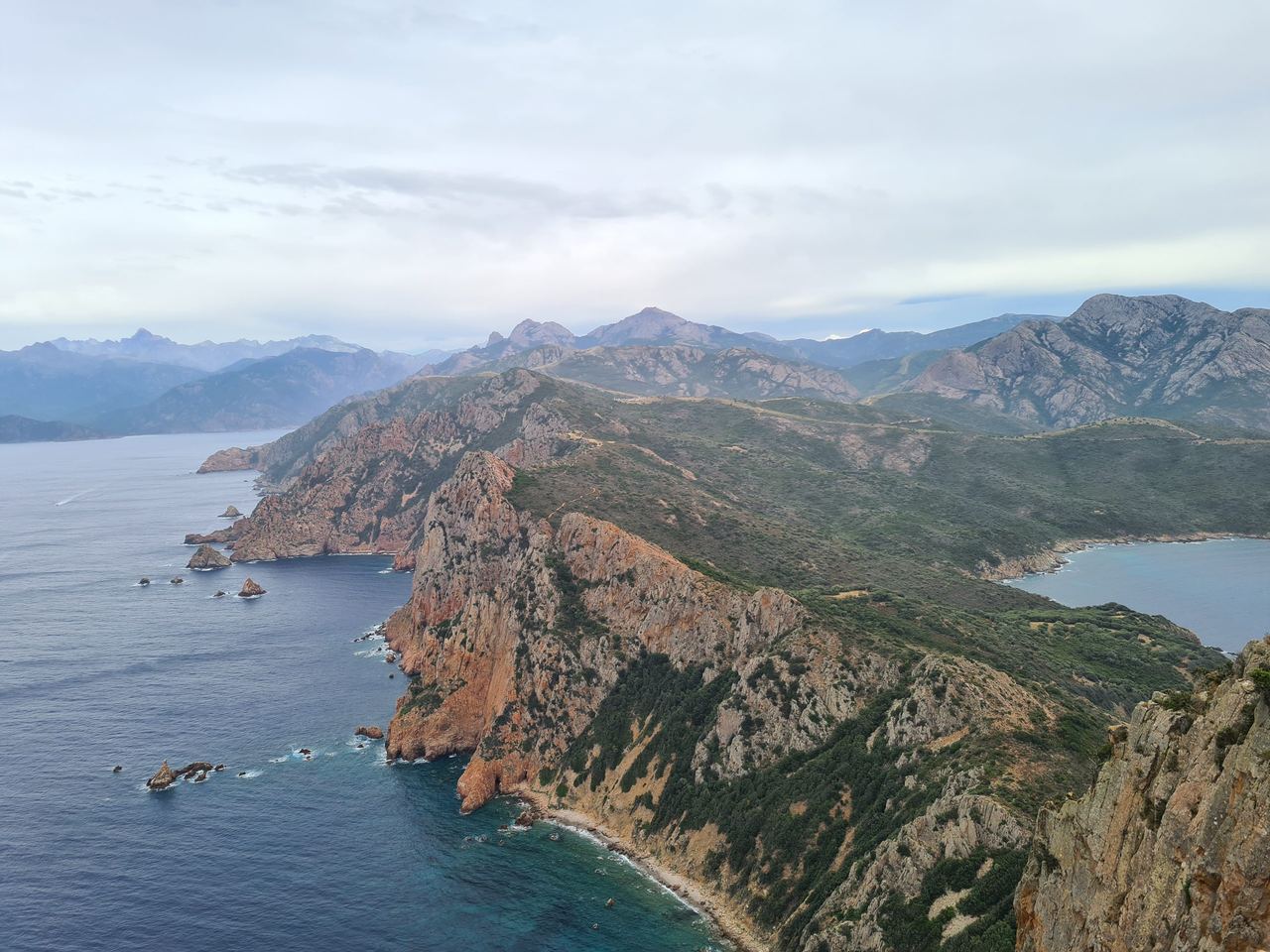
The rocky peninsula is one of the best places to experience just how mountainous and rugged Corsica really is. The hike takes around four to five hours at a comfortable pace, including a picnic, and ends at a tower with a spectacular 360-degree view of the sea and rocky coastline.
After the hike, cool down at Plage de Ficaghjola, located between Piana and Capu Rossu. The narrow, steep road down to the beach is best tackled by car. The beach is pebbly, surrounded by striking red rocks and, thanks to its secluded location, pleasantly quiet.
Day 5: Through the Mountains to Corte
Leave Piana and drive through the Calanques de Piana, where the road winds between narrow rock formations and the red cliffs appear in all kinds of shapes.
Continue towards the Col de Vergio, crossing Corsica's high mountains. The winding road, deep valleys, dense forests and towering peaks make it easy to forget that you are actually on an island. Take a short walk at the pass and keep an eye out for wild boar, while keeping a sensible distance from them.
Continue to U Ponte Altu, an old bridge that the road still crosses today. The stream below the bridge is a good place for a swim and a picnic.
Finish the day in Corte. Walk up through the narrow streets towards the Citadelle and the Belvédère de Corte, then return to Place Paoli for a coffee, pastry or drink. For the night, look for a campsite around Ponte Leccia, north of Corte.
Day 6: L’Île Rousse and Calvi
Today, head to L’Île Rousse, and take the train from there to Calvi. This is one of the most popular and upscale parts of Corsica, with spacious sandy beaches and expensive hotels lining the coast. The old diesel train has a charming retro atmosphere, and the journey offers a good way to see the seaside resorts without driving.
In Calvi you can take walk up to the Citadelle. Have a sandwich and a drink before taking the train back, which leaves around an hour and a half later.
Back in L’Île Rousse, walk towards Île de la Pietra and its lighthouse, where two huge reddish rocks rise from the sea. If you still have time, finish the day at Plage de Bodri, a spacious sandy beach near the town.
Day 7: Lama and the Agriate Desert
Start the day in Lama, a small mountain village between Ponte Leccia and L’Île Rousse. Wander through its atmospheric narrow streets and enjoy the views from the hillside. It is one of those places where you are unlikely to run into many other tourists.
From there, continue through the Désert des Agriate, the rocky desert covering much of northern Corsica. Drive along the D81 and stop at several viewpoints on the way towards Saint-Florent.
Then leave the car at the Parking Sentier des Douaniers and follow the Sentier littoral along the coast towards Plage de Fornali. The path offers beautiful views of turquoise water, white rocks and coastal vegetation, with Cap Corse visible in the distance. If you get tired, there is always the option of taking a swim in one of the tiny coves along the way.
Finish the day in Saint-Florent, a small town with a large marina and a waterfront lined with restaurants and cafés.
Day 8: Heading Home
For the final night, stay somewhere in the central part of the island. From here, both Ajaccio and Bastia can be reached for an afternoon departure and the journey home.
And that is the beauty of travelling around Corsica by car and tent: within just one week, you can go from turquoise Mediterranean beaches and dramatic cliffs to mountain roads, dense forests, tiny villages and high mountain passes.