
Ephesus: What to See and How to Visit the Ancient City
Ephesus is one of the best-known and most impressive ancient sites in Türkiye. It is easy to visit from nearby Izmir, and there is a lot to see at this extensive archeological site.
· by Krisztofer & Dávid · 4 min read
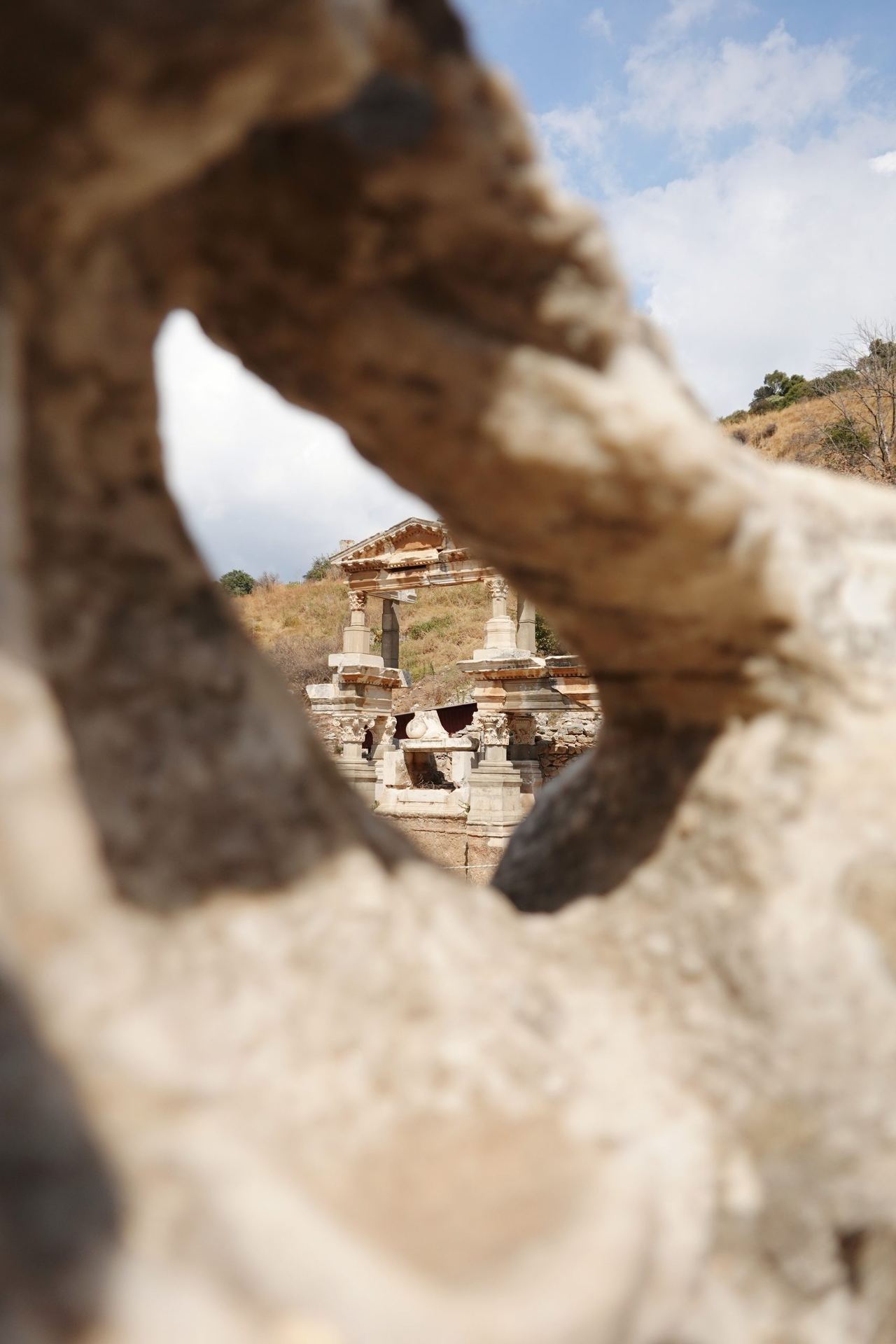
Ephesus is located close to the small town of Selçuk, it was once an important Greek and Roman city and the capital of the Roman province of Asia. Today, its extensive ruins offer a glimpse into its former importance, with beautifully reconstructed monuments, impressive columns and ancient streets.
A brief history of Ephesus
Founded in the 10th century BCE, Ephesus gradually became one of the most important cities of the ancient world. Its significance was once compared to that of Rome, and it was also a major centre of the cult of Artemis. The famous Temple of Artemis, one of the Seven Wonders of the Ancient World, once stood nearby. Today, only a single column remains at its original location, close to Selçuk.
Ephesus was also an important port city, but as the Mediterranean coastline gradually shifted away, the ancient harbour was eventually left inland, and the city lost much of its importance.
What to see in Ephesus
The archaeological site is quite extensive, with the main monuments following a route between the South and North Gates. We recommend entering through the South Gate, which is at a higher elevation, and walking downhill through the ancient city.
Some of the main highlights:
The Odeon: A smaller Roman theatre and one of the first major monuments along the route.
Curetes Street: One of the most impressive parts of the ancient city, lined with reconstructed monuments, columns and the remains of important public buildings.
The Library of Celsus: Probably the most famous landmark in Ephesus. Its beautifully reconstructed façade is particularly impressive and definitely deserves some time.
The Great Theatre: Another major monument of the city. Unfortunately, it was undergoing restoration during our visit, so we could only admire it from a distance.
Many of these buildings once played important roles in the cultural, political and educational life of Ephesus. Today, however, only their façades, columns or partial remains have survived.
There is also an Experience Museum on the site, offering an immersive cinema experience about the history of the city. We found it a fun addition to the visit.
How to get to Ephesus
The easiest way to visit Ephesus is from Selçuk, the small town located right next to the archaeological site. We visited from Izmir, taking a direct train from Basmane station to Selçuk. The journey took around an hour and a half.
From Selçuk, you can reach the ancient city on foot. We walked to the South Entrance in around 30–40 minutes, although there are reportedly also dolmuş minibuses running towards the North Entrance from the main road.
If you prefer to walk through the site downhill, the South Entrance is the better starting point. The North Entrance is at a lower elevation, so the route in the opposite direction involves more uphill walking.
Entrance fees and tickets
One thing worth mentioning is the price of admission. Visiting Türkiye's major historical attractions has become increasingly expensive, especially for international visitors. At the time of our visit, an entrance ticket to Ephesus cost €40 per person for foreigners, while local visitors paid considerably less.
Be careful at the ticket counter when buying your tickets. Audio guides may be added automatically, even if you don't explicitly ask for one. We only realised afterwards that we had been charged extra for something we didn't need. The pricing can also be confusing, as the entrance fee is displayed in euros, while the audio guide is priced in Turkish lira and the final payment is made in lira.
Our advice is simple: if you don't want an audio guide, make sure to say so explicitly before paying and check the final amount.
Is Ephesus worth visiting?
Despite the relatively high entrance fee, Ephesus is a fascinating place to explore. We particularly enjoyed wandering along the ancient streets, admiring the columns, stone sculptures and mosaics, and spending time at the Library of Celsus. The sheer number of surviving remains gives a good impression of how important and impressive this city must have been in its heyday.
If you are staying in Izmir or travelling around the western coast of Türkiye, Ephesus is definitely worth adding to your itinerary.

More from Türkiye
Türkiye · Blog
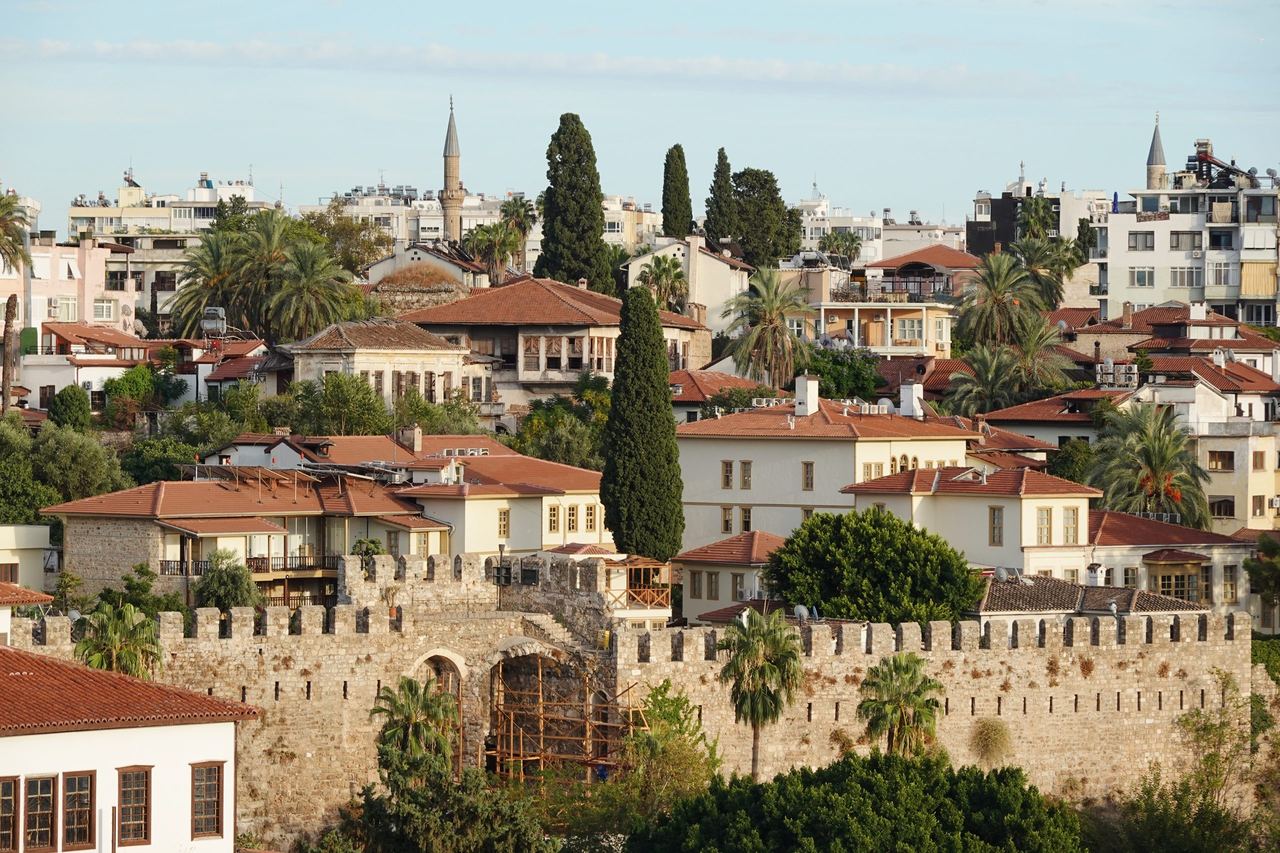
World Trip Diary #4: Antalya
Antalya was our third most important destination in Türkiye, after Istanbul and Ephesus. We wanted to enjoy the Mediterranean coast before summer came to an end, so we spent three days in Antalya, exploring the city and the nearby beach of Çıralı.
20 November 2026
Türkiye · Tips & Guides
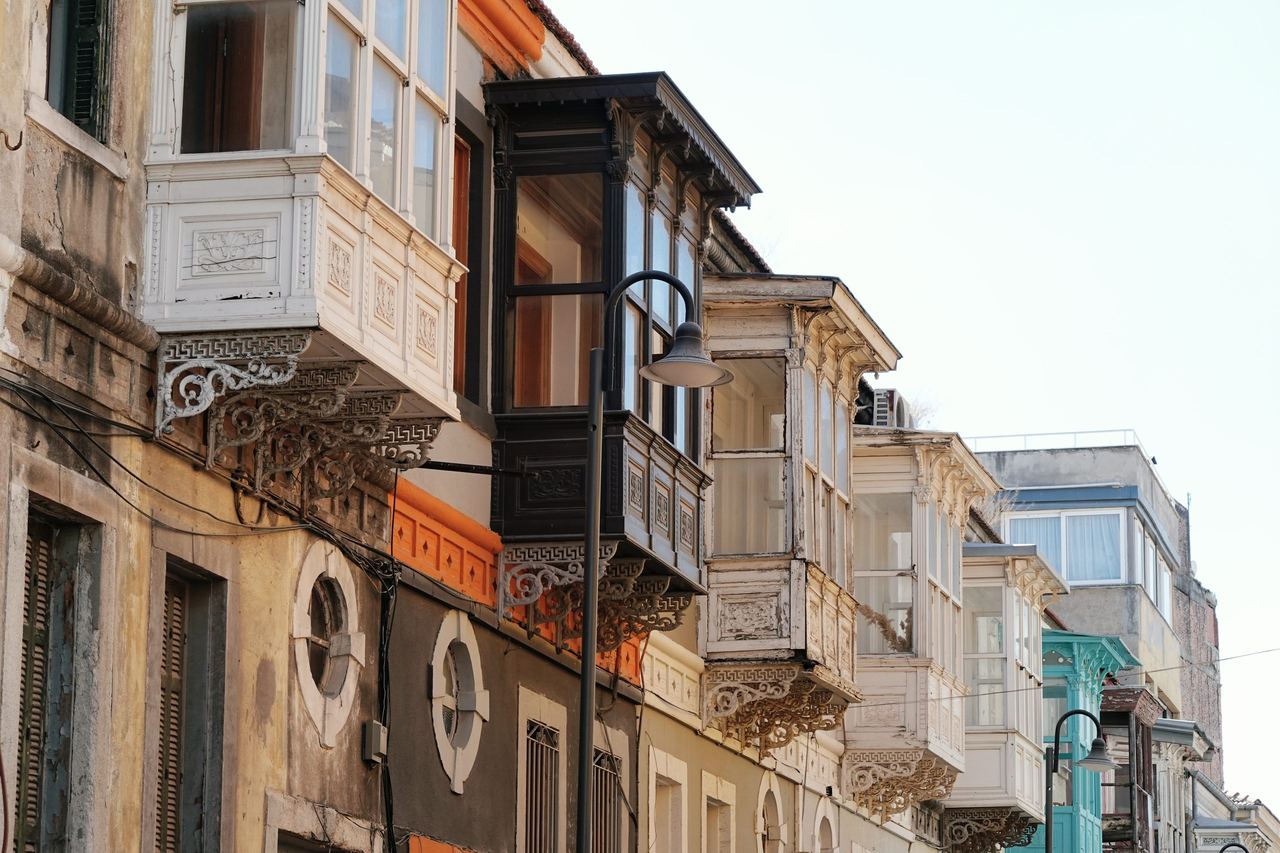
One Day in Izmir: What to See, Eat and Do
Izmir is Türkiye's third-largest city, it has a few interesting sights, a lively bazaar, some excellent local food and a pleasant seaside promenade. In one day, you can visit the main tourist attractions, eat some good local food, and even visit an ancient city.
11 November 2026
Türkiye · Blog
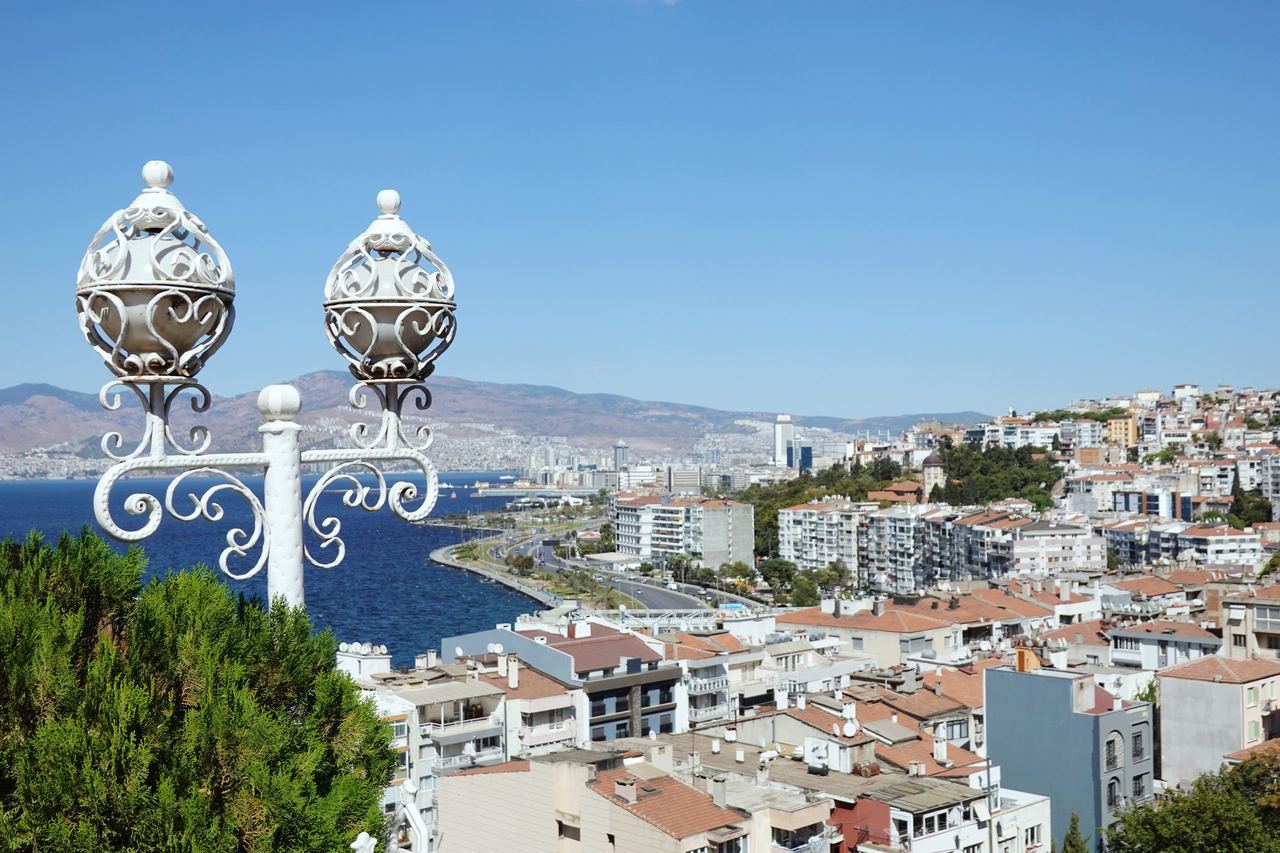
World Trip Diary #3: Izmir, Ephesus, and Pamukkale
After Bursa we were heading to Izmir, where we planned to spend some time exploring the city and visiting a couple of ancient sites.
10 November 2026