World Trip Diary #2: Bursa, the First Capital of the Ottoman Empire
After getting to know Türkiye’s largest city, we headed to Bursa. Here is our personal diary of the Ottoman Empire's first capital.
· by Krisztofer & Dávid · 6 min read
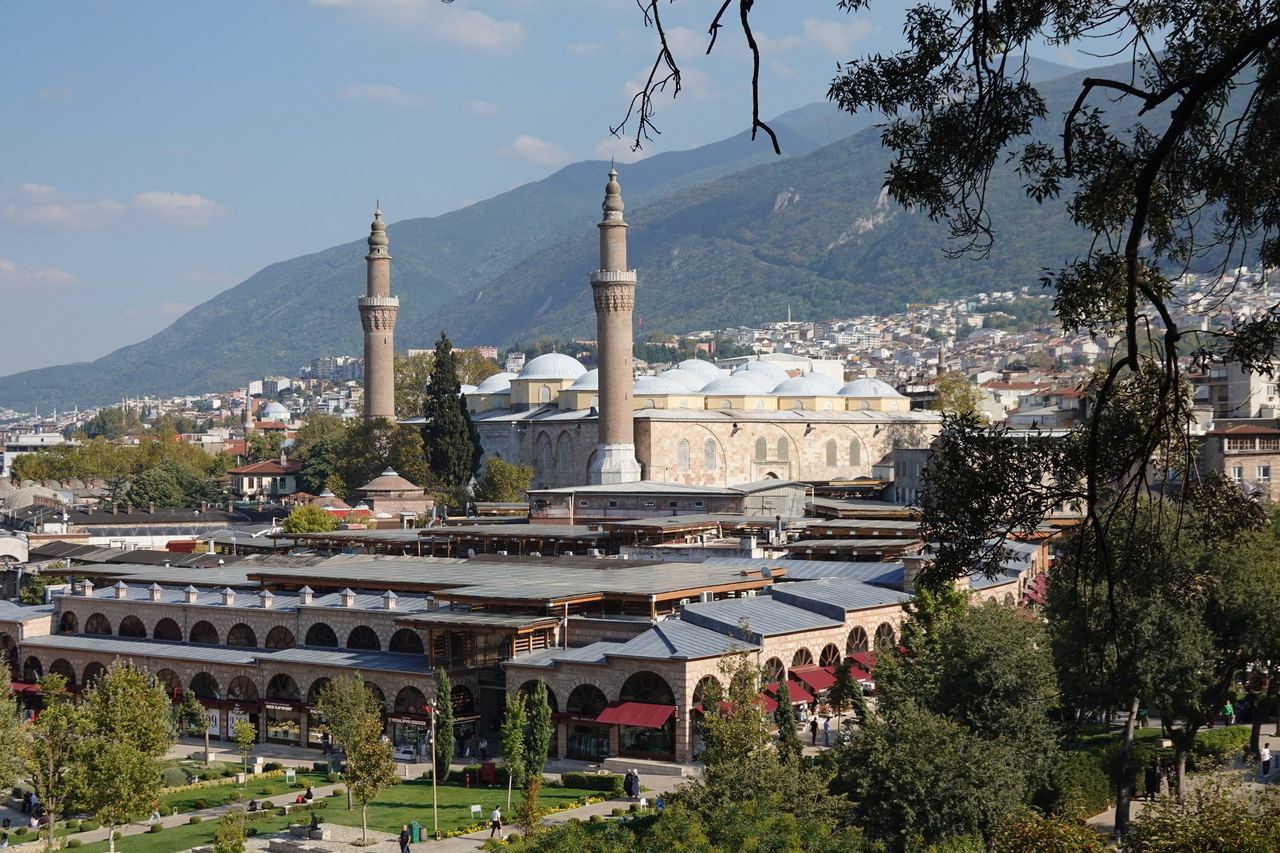
Bursa holds great historical importance for the Ottoman Empire. It was its first capital, and is often considered the cradle of the Ottoman Empire. We had heard about this place while planning our trip around Türkiye: that it is much calmer and somehow more laid-back than Istanbul, and also a good place to discover the roots of the Ottoman Empire. And it didn’t disappoint. We found it to be a very authentic city, with a much more local feel, where history lives in perfect harmony with everyday life.
We took a ferry from Kabataş in Istanbul to Mudanya, close to Bursa to travel between the two cities. Taking a ferry across the Sea of Marmara was an experience in itself. From Mudanya, we took a local bus to Bursa.
Our accommodation was located between the old town and the Green Mosque, one of the city's main sights. Around 2 million people live in Bursa, and its historical centre is only a small part of the city. We decided to stay in the centre to avoid long bus rides. We spent just one full day in the city, which seemed to be enough to discover its main sights.
On our arrival day, we went out for dinner to try the iconic İskender kebab, which originates from this city. It is made with beef and lamb, served on a bed of flatbread and topped with a thick tomato sauce and yoghurt. And if that wasn't enough, hot melted butter is poured over the whole dish right in front of you. Many places serve this traditional dish, but we found Tarihi Bursa Çarşı Kebapçısı to be one of the best. Sides, bread, sweets and tea are all included in the price, which is very reasonable for such a meal.
The next morning, we started at the Green Mosque (Yeşil Cami), which is decorated with deep green and blue tiles. It was built in the early 1400s and is a beautiful example of early Ottoman architecture. Its mihrab (prayer niche) is one of the largest tiled mihrabs in the world, while its entrance gate is incredibly detailed. On the other side of the square stands the Green Tomb (Yeşil Türbe), the resting place of Mehmed I. It is actually more blue than green on the outside, but inside, turquoise and green tiles create an atmospheric interior.
We hadn't had much of a breakfast, so we were craving some baked goods for a morning snack. Krisztofer found a bakery, and on our way there, we passed through a rather uninteresting clothing bazaar. However, the square around the Mehmet Abdal Tomb, right next to the bakery we were looking for, was full of life. We stopped for a while and observed what the locals were up to.
There are two bakeries and a tea place on the square. Locals were buying tahinli from Tarihi Taş Fırın Gürsel Kavan. It is a pastry topped with semi-sweet tahini and baked until golden. After that, they were buying simit or açma from Abdal Simit Fırını. Açma looks similar to simit, but it is made from buttery, layered dough and is twisted as well.
Finally, they took a seat at one of the many tables and chairs on the square, opened their pastry bags, and started dipping pieces of simit or açma into the soft centre of the tahinli. Eventually, a server appeared with a tray full of tea and offered it around. We decided to do exactly the same. It was one of those moments when we found ourselves taking part in a local custom without even knowing about it beforehand. The pastries and the tea tasted delicious, and both our stomachs and hearts were full after this experience.
Eventually, we passed through the fruit and vegetable market. That's when we understood why we hadn't been able to find really good fresh produce in the supermarkets. Turkish people buy their fruit, vegetables, nuts, fresh cheese, meat and fish directly from local markets. Prices are lower, and everything looked incredibly fresh.
Bursa's old town hall is close to the main square (Gazi Orhan Parkı) in the old town. It is a beautiful traditional Turkish building with wooden details. We took some time to sit in the pleasant little square around it, watching people passing by, chatting and snacking on their freshly bought produce.
After this short break, we headed to Koza Han, which was once an important caravanserai and trading post for local silk. Caravanserais served as accommodation for travelling merchants and their caravans. The building is arranged around a courtyard, where we stopped for some Turkish coffee after browsing the locally made silk scarves and textiles.
Just around the corner stands the monumental Ulu Cami, or the Great Mosque. It is a very unique building and a fine example of early Ottoman architecture. It was built in 1399, after Bayezid I won the Battle of Nicopolis. According to legend, before the battle, he promised Allah that he would build 20 mosques in Bursa, the capital of his empire at the time, if he won. After his victory, he slightly modified his promise and built one great mosque instead, but with 20 domes.
The central dome has a glass opening that allows natural light to enter the huge interior. There is also an ablution fountain in the middle, and its wooden minbar (the imam's pulpit) was made using a unique technique, without glue or nails. We spent quite a lot of time inside, admiring the domes and calligraphy, as well as watching people studying the Quran and praying.
After passing through Bursa's Grand Bazaar (Bursa Kapalı Çarşı), we headed up the nearby hill. There is a beautiful Clock Tower (Tophane Saat Kulesi) at the top, from where we enjoyed panoramic views across the city. Bursa is a big city, with around 2 million inhabitants, and its old town is only a tiny part of it. However, this is also where most of the city's sights of interest to visitors are located.
In the same park as the Clock Tower, we also visited two tombs that hold great importance in Türkiye. The first one is the Osman Gazi Tomb (Osman Gazi Türbesi). Osman was the founder and namesake of the Ottoman Empire, and he died in 1326. His memory is important throughout the country, as he represents the origins and greatness of the Empire. His tomb is still guarded by soldiers, and prayers are continuously recited in his honour.
On the opposite side of the park is the tomb of Orhan Gazi, Osman Gazi's son and successor. His türbe is a bit simpler, but still an important place of remembrance.
In the evening, we took a little stroll around the old town and enjoyed our time in the beautiful city of Bursa.
We especially liked it after the hustle and bustle of Istanbul, as it felt much more relaxed, local and authentic. Its beautiful architecture, historical importance and good food were also a huge plus, making Bursa one of the highlights of our trip around Türkiye.
More from Türkiye
Türkiye · Blog
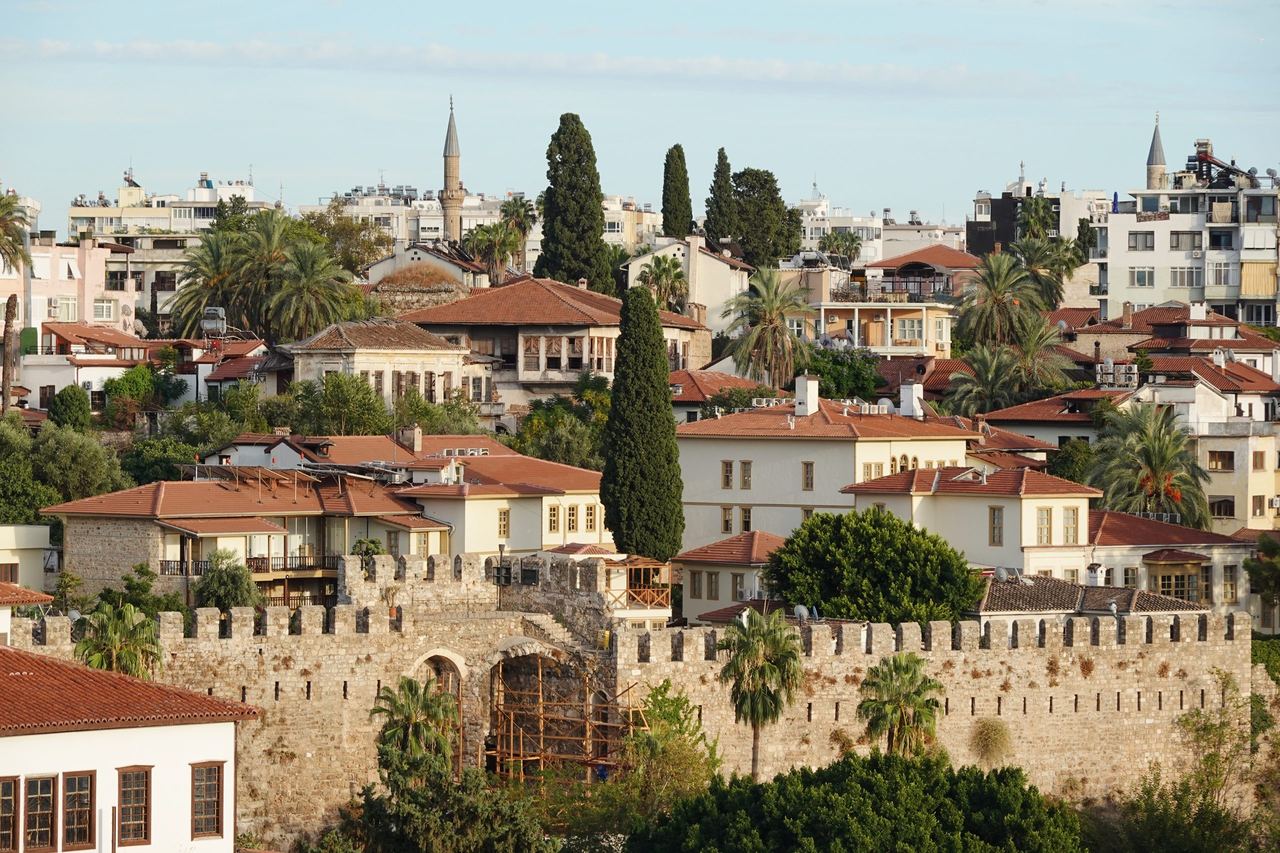
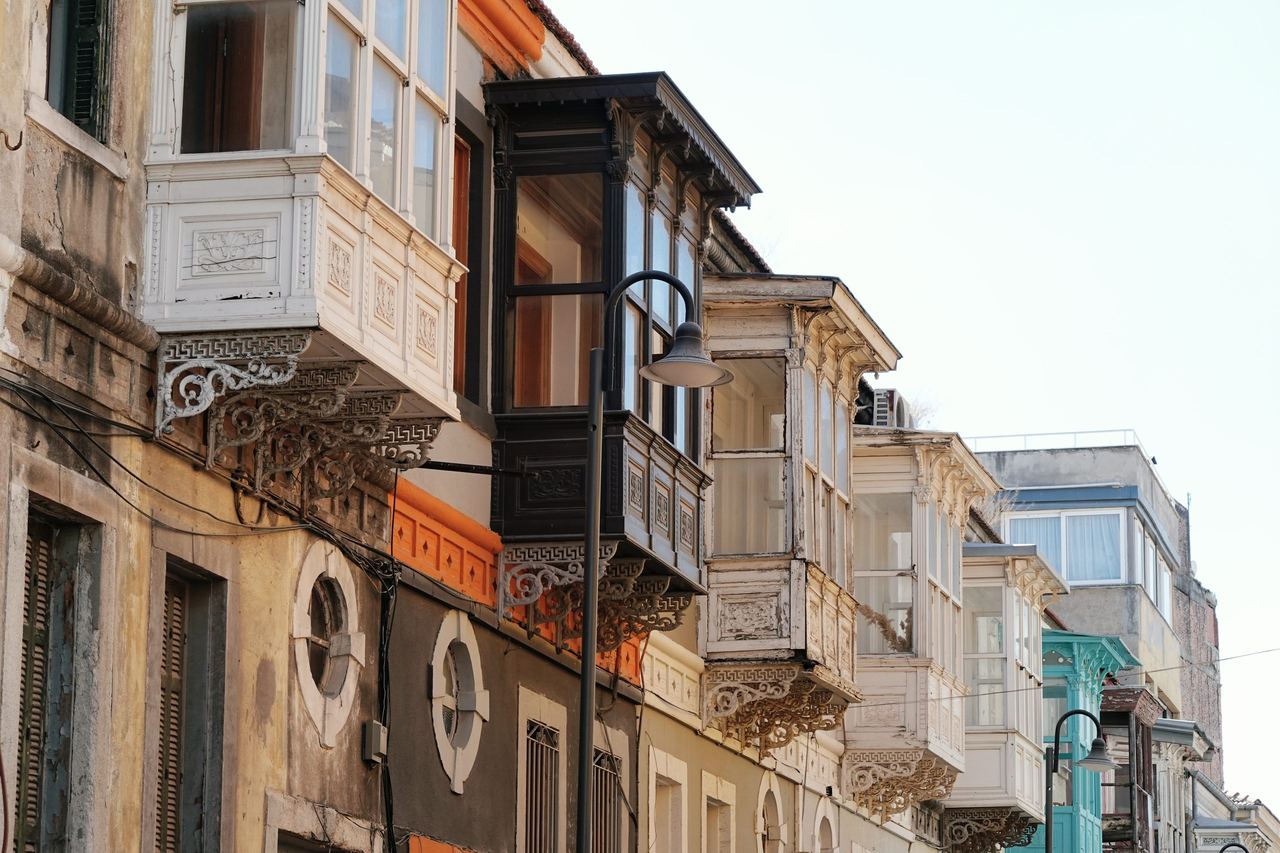
World Trip Diary #4: Antalya
Antalya was our third most important destination in Türkiye, after Istanbul and Ephesus. We wanted to enjoy the Mediterranean coast before summer came to an end, so we spent three days in Antalya, exploring the city and the nearby beach of Çıralı.
20 November 2026
Türkiye · Tips & Guides
One Day in Izmir: What to See, Eat and Do
Izmir is Türkiye's third-largest city, it has a few interesting sights, a lively bazaar, some excellent local food and a pleasant seaside promenade. In one day, you can visit the main tourist attractions, eat some good local food, and even visit an ancient city.
11 November 2026
Türkiye · Tips & Guides
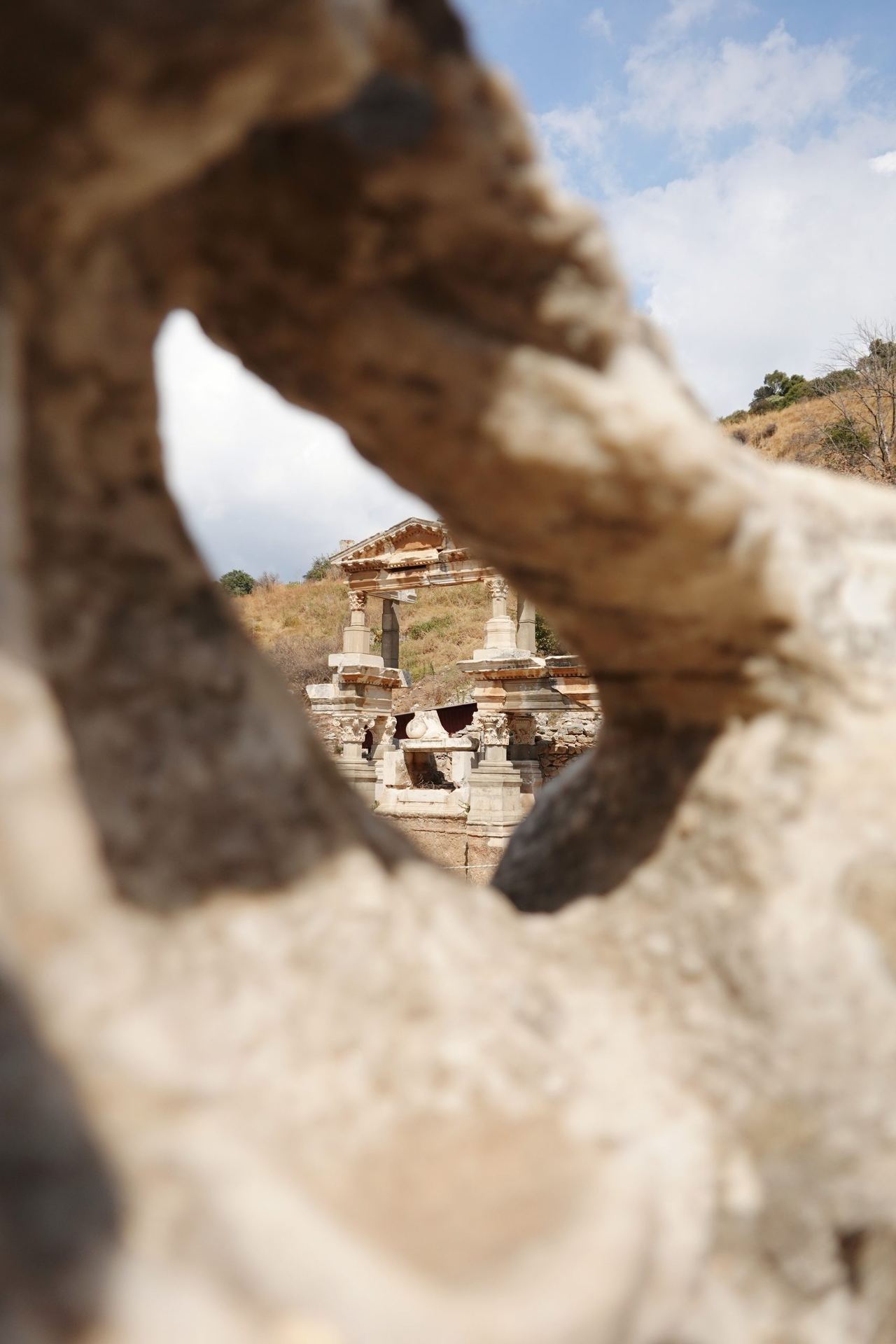
Ephesus: What to See and How to Visit the Ancient City
Ephesus is one of the best-known and most impressive ancient sites in Türkiye. It is easy to visit from nearby Izmir, and there is a lot to see at this extensive archeological site.
11 November 2026