
3-Day Itinerary for First-Time Visitors in Istanbul
Three days in Istanbul is enough to get a first impression of this huge, lively city, but there is much more to see. Looking back, we would have planned our days a little differently, so here is an itinerary based on our experience, with a few adjustments.
· by Krisztofer & Dávid · 6 min read
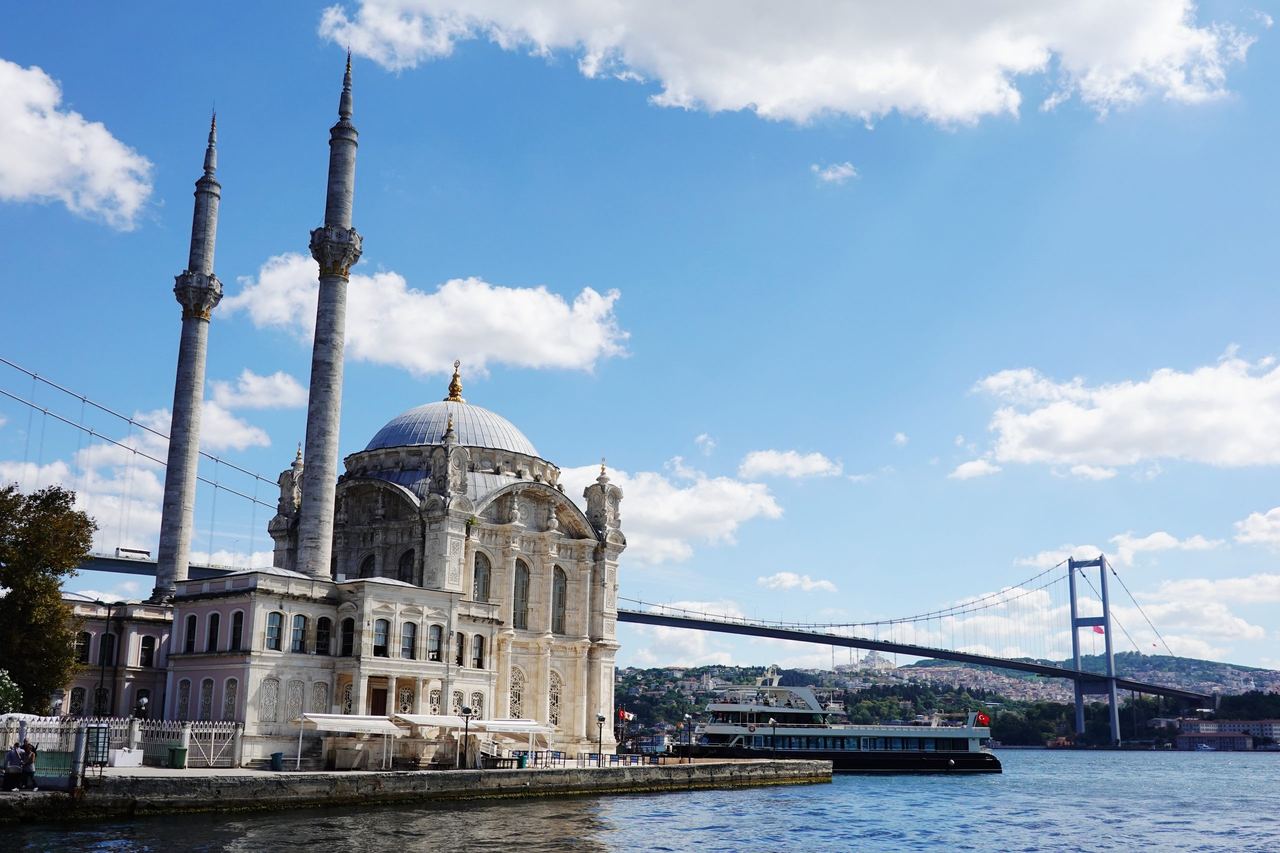
We spent three full days here and still had to leave a few places for another visit.
Day 1: Galata, Süleymaniye and Sultanahmet
Start the day with a traditional Turkish breakfast of simit and tea at Cihangir Tarihi Simit Fırını. Simit is a sesame-covered bread ring sold in bakeries and street stalls all over the city. Turkish black tea is served hot in small, tulip-shaped glasses, usually from a double teapot. Many locals add sugar, and sometimes lemon.
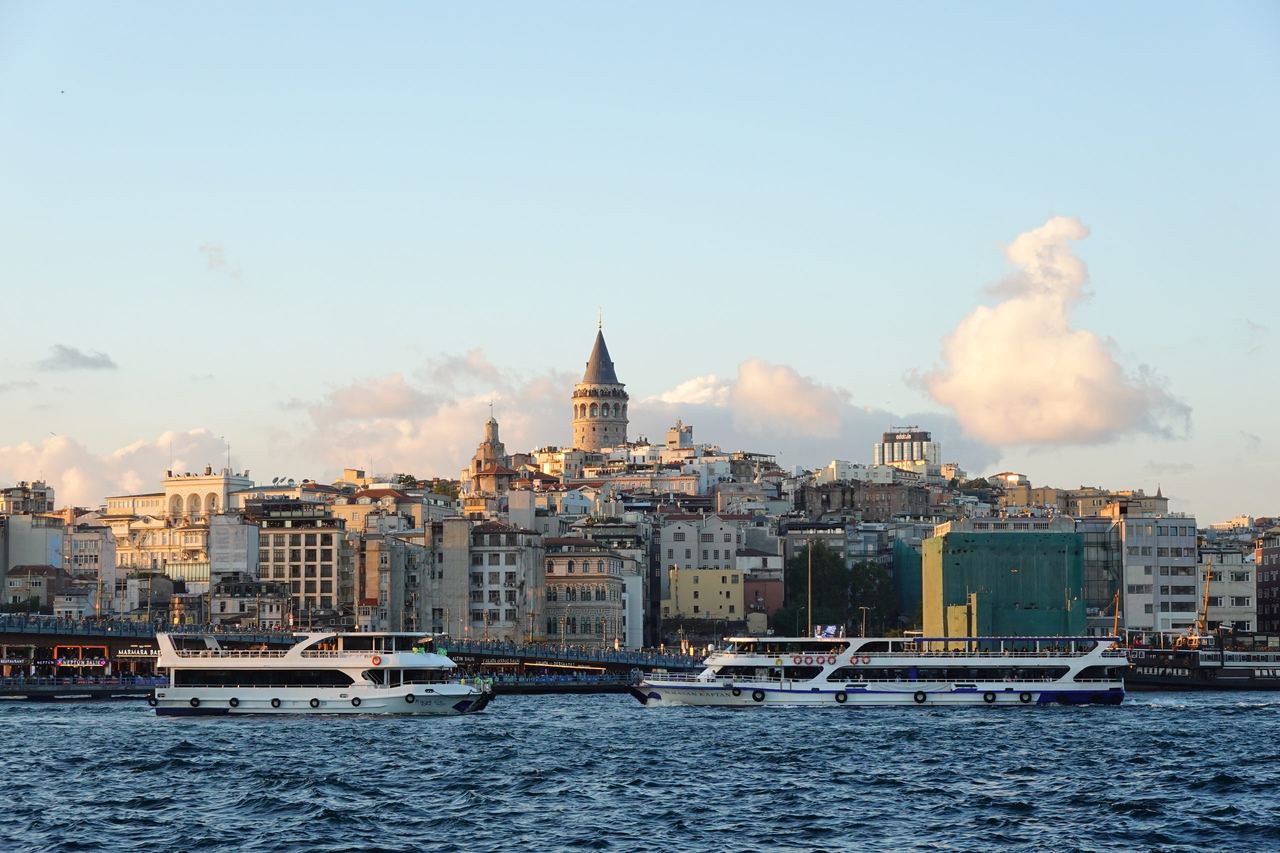
From Cihangir, walk uphill towards İstiklal Street, one of Istanbul’s busiest shopping streets, with historic buildings, shops, cafés and a nostalgic tram. Continue to Galata Tower, built by the Genoese in 1348. It is one of the city’s best-known landmarks, with views over the surrounding neighbourhood and the Bosphorus. There are plenty of cafés nearby if you fancy trying the popular San Sebastian cheesecake.
Walk downhill towards Galata Bridge, passing the elegant Kamondo Stairs along the way. The bridge is a good place to observe everyday Istanbul: fishermen and their feline companions line the railings, ferries cross the Golden Horn, and traffic and pedestrians move in every direction.
From here, head uphill to Süleymaniye Mosque, one of the city’s most impressive Ottoman monuments. Built between 1550 and 1557, it stands above the Golden Horn and has a peaceful courtyard with beautiful views. We particularly enjoyed the calm atmosphere here. For details about visiting mosque, see our separate guide.
If you have limited time, I would skip the Grand Bazaar. Although it is one of Istanbul’s most famous attractions, we found the crowds and rows of shops a little overwhelming, and it took time away from the historic sights.
Instead, continue towards Sultanahmet Square, where you can see the ancient Obelisk of Theodosius, originally erected in Egypt around 1450 BCE and brought to Constantinople in the fourth century.
The square is also home to the Blue Mosque, officially known as Sultanahmet Mosque. Built in the early 17th century, it is famous for its six minarets and richly decorated interior, including beautiful İznik tiles.
Next door stands Hagia Sophia, originally completed as a Byzantine cathedral in 537 CE. Its long history reflects the many cultural and religious changes Istanbul has experienced. It was under serious construction at the time of our visit, so we decided not to enter, just wonder it from the outside.
If you still have time and energy, choose between the Basilica Cistern, an atmospheric underground water reservoir, and Topkapı Palace, the former residence of Ottoman sultans. Both deserve a visit, but I wouldn’t necessary try to fit both in on day.
Day 2: Balat, Fener and the Asian Side
Take the T1 tram towards Balat and Fener, two historic neighbourhoods along the Golden Horn. Their colourful houses and sloping streets have become popular photo spots, but they are also interesting places to wander around and observe local life.
Walk along Merdivenli Street and Kiremit Street, known for their colourful buildings. Expect steep hills, plenty of stairs, neighbourhood cats, and look for the simit bakery on the top of Kiremit Street.
For lunch, stop at Forno Balat, where you can try pide and lahmacun. Pide is a boat-shaped flatbread topped with ingredients such as cheese or meat, while lahmacun is a very thin flatbread covered with minced meat, herbs and spices. It is usually folded or rolled before eating.
After lunch, take a public ferry from Fener to Kadıköy, on Istanbul’s Asian side. The journey offers lovely views of the Golden Horn, Galata Tower and the waterfront around Eminönü. Public ferries are also a great way to experience the Bosphorus without booking a dedicated sightseeing cruise. Routes are to be found online, or at the piers. Timetables are also available their.
Kadıköy is a busy neighbourhood with markets, shops and restaurants, where you can also get some lunch. Walk towards Moda, where the atmosphere becomes more relaxed, with cafés, small restaurants and a pleasant seafront. Take a break by the water and watch the ferries, birds, cats and people enjoying the shoreline.
Return by ferry to Karaköy and stop at Karaköy Güllüoğlu for baklava. You will find different varieties filled with pistachios, walnuts or hazelnuts, often served with a rich dairy cream called kaymak.
Finish the day at Galataport, a modern waterfront development with shops, restaurants and a promenade. It is a good place to walk along the water and watch the sun set over the Asian side of Istanbul.
Day 3: Ortaköy, Eminönü and the Old City Waterfront
Start your last full day in Ortaköy, a neighbourhood beneath the first Bosphorus Bridge. The waterfront Ortaköy Mosque, built in the 1850s, is especially photogenic, with its ornate Ottoman Baroque architecture set against the water and the bridge.
From here, make your way to Eminönü by ferry, as the most scenic way. For more information on using Istanbul’s metro, trams, buses and ferries, see our separate guide to getting around the city.
Explore the Egyptian Bazaar (Mısır Çarşısı), where stalls sell spices, tea, and sweets. The market can get very crowded, but it is worth a short walk through.
Nearby, tucked away among the busy streets, is Rüstem Paşa Mosque. It can be easy to miss, but step inside. The door is literally hole in the wall between stalls of the street bazaar. The mosque is known for its beautiful İznik tiles, particularly the blue patterns that cover much of the interior.
Continue to the Yeni Mosque, also known as the New Mosque, near the Eminönü ferry terminals. Its location beside the waterfront makes it one of the most recognisable landmarks in this part of the city.
For your final stop, walk to Sarayburnu Park, at the tip of the historic peninsula where the Golden Horn meets the Bosphorus. It is a lovely place to sit for a while and watch the ferries, listen to street musicians and take in the views across the water.
Three days will not show you everything Istanbul has to offer, but this route gives you a good mix of historic landmarks, neighbourhood streets, local food and ferry journeys. We would happily return for longer.
More from Türkiye
Türkiye · Tips & Guides
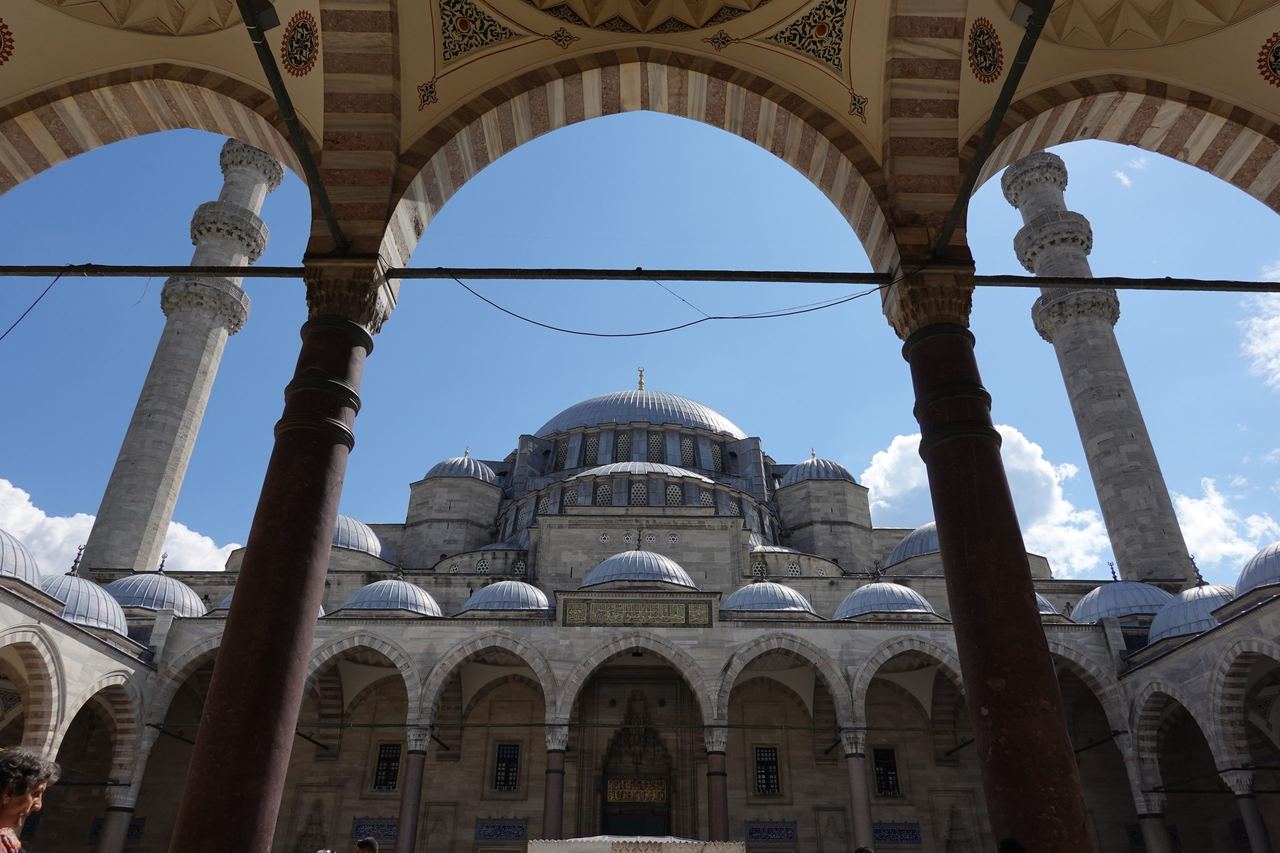
Visiting Mosques in Istanbul: What to Know Before You Go
Istanbul’s mosques are among the city’s most beautiful sights, and visiting them is a great way to learn more about Turkish culture and Islam. Just keep in mind that mosques are active places of worship, not simply historical monuments, so a little consideration goes a long way.
21 October 2026
Türkiye · Tips & Guides
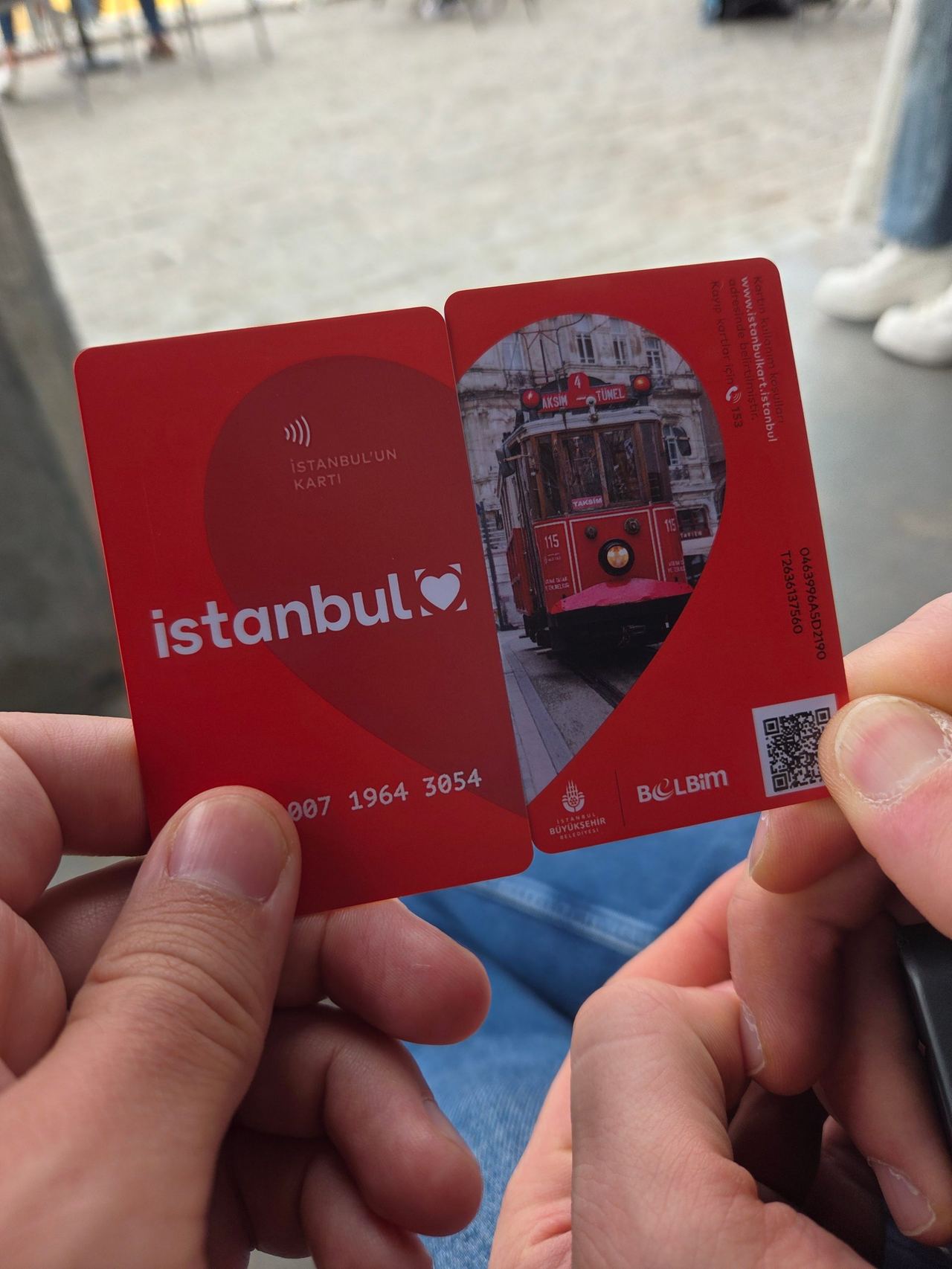
How to Get Around in Istanbul by Public Transport
Istanbul is a huge, hilly city, but getting around is relatively easy once you understand its public transport system. Here are a few practical tips from our experience.
21 October 2026
Türkiye · Blog
World Trip Diary #1: Istanbul, the Gate of the East
Our journey around the world started in Istanbul, Türkiye on 16 September 2026. We spent 3 full days in the city which felt like fine mixture of West and East.
16 October 2026